

Mental Health & Psychotherapy Tips & Info
Can Chronic Illness Affect Your Mental Health in Ithaca?
Chronic illness doesn't just show up in lab results or medication lists. It rewires your life. The fatigue that won't lift, the pain that won't quit, the appointments that pile up — all of it compounds. And if you think your mental health stays untouched through that process, you're setting yourself up for a crash. The brain and body aren't separate systems. When one breaks down, the other follows. That's not speculation. That's physiology.
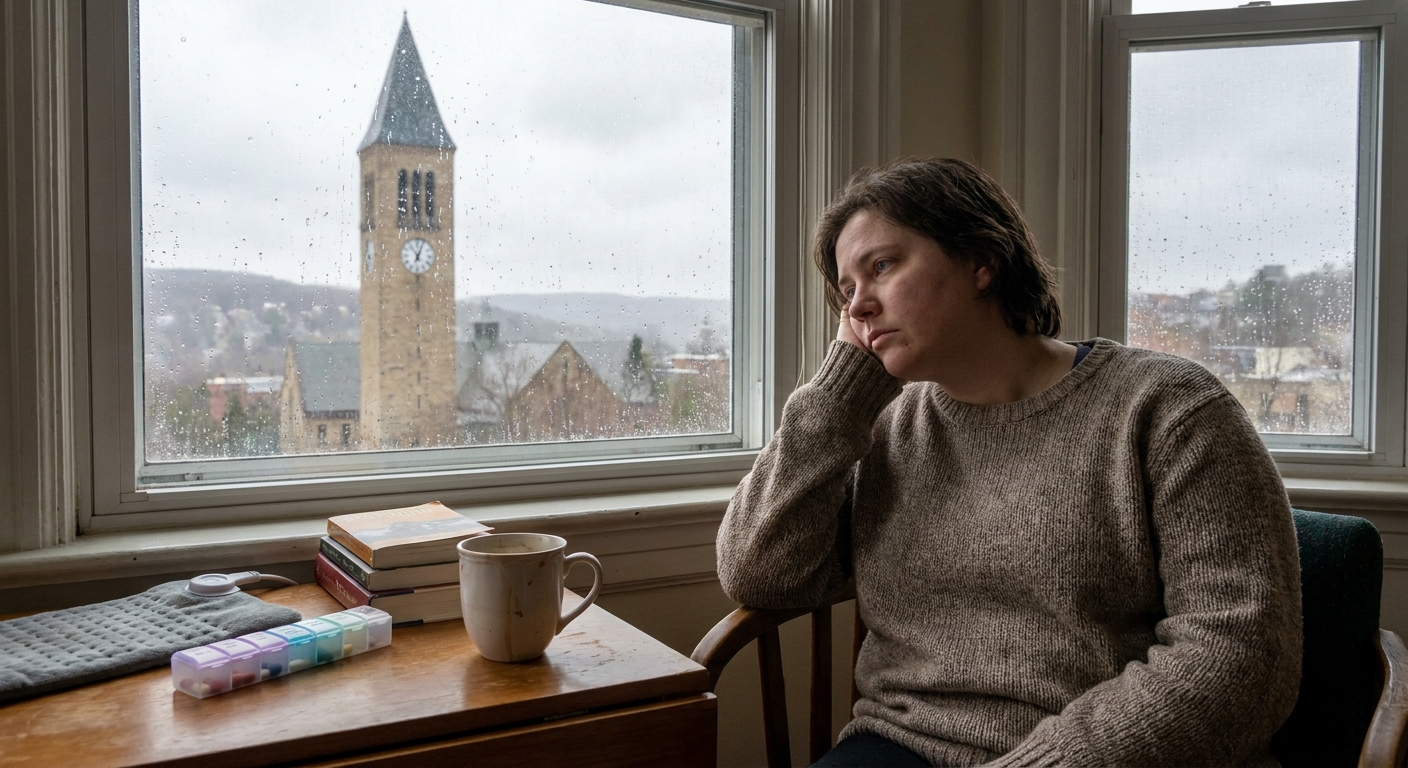
Ithaca brings its own wrinkle into this equation. Long winters mean less sunlight and more isolation. A college-town vibe can feel alienating when you can't keep pace with the hiking trails or late-night study sessions. And when your condition is invisible — fibromyalgia, Crohn's, chronic fatigue — people assume you're fine. That disconnect between how you feel and how you're perceived? It eats away at you faster than most realize.
When Your Body Betrays You, Your Mind Takes Notes
We've watched it happen time and again. Someone gets diagnosed with lupus or rheumatoid arthritis, and within months, anxiety creeps in. Depression isn't far behind. The stats back this up — people managing chronic conditions face double the risk for mental health struggles compared to the general population. The reasons stack up fast. Financial strain from medical bills. The unpredictability of flare-ups. The sheer exhaustion of managing symptoms while trying to maintain some version of normal life.
Ithaca's climate doesn't help. Cold weather can aggravate joint pain, trigger migraines, or make mobility harder. When winter stretches on for months, getting out becomes a chore. Social circles shrink. Motivation tanks. And before you know it, you're stuck in a feedback loop where physical symptoms worsen mental health, which then worsens physical symptoms. Breaking that cycle requires intention — and usually, help from endometriosis chronic illness specialists.
The Invisible Struggle That Nobody Validates
One of the cruelest parts of chronic illness is how little sympathy you get when you don't look sick. You cancel plans because you're too exhausted to stand, and people think you're flaking. You skip a gathering because your pain level is through the roof, and someone mutters about excuses. That kind of invalidation chips away at your sense of self-worth. Over time, it trains you to hide what you're going through — which only deepens the isolation.
In a community like Ithaca, where outdoor adventures and academic intensity dominate the culture, falling behind feels like failure. You see friends hiking the gorges or pulling all-nighters, and you're stuck at home managing symptoms. That gap between their lives and yours breeds resentment, guilt, and loneliness. All of which feed directly into anxiety and depression. The brain doesn't need much of a push when the body's already under siege.
Resources Exist, But You Have to Know Where to Look
Ithaca isn't a dead zone for support — far from it. The presence of Cornell and Ithaca College means access to counseling services, health education programs, and peer support networks. Local healthcare providers are slowly waking up to the fact that treating chronic illness means addressing women's mental health, too. It's not perfect, but the infrastructure is there if you dig for it.
The Mental Health Association in Tompkins County runs groups and workshops tailored to people navigating long-term health challenges. These aren't feel-good fluff sessions. They're practical spaces where you can talk to people who get it — who understand that "just stay positive" is useless advice when you're dealing with real pain and real limitations. Connection matters. And sometimes, just knowing you're not alone makes the difference between spiraling and stabilizing.
What Actually Helps When Everything Feels Broken
Managing the mental toll of chronic illness isn't about willpower or positive thinking. It's about building systems that support you when your body can't. That means getting professional help when you need it, connecting with others who understand, and cutting yourself some slack when you can't do everything you used to do.
- Work with a therapist or counselor who knows chronic illness — not someone who'll tell you to meditate your symptoms away
- Find support groups locally or online where people share your diagnosis or similar struggles
- Give yourself permission to rest without guilt — productivity isn't a measure of your worth
- Move your body in ways that feel good, not punishing — gentle walks, stretching, swimming if it helps
- Educate the people around you so they stop saying the wrong things or making assumptions
Small Adjustments That Compound Over Time
You don't need to overhaul your entire life overnight. Most people can't. But small, consistent changes add up. Tracking your symptoms helps you spot patterns and plan around flare-ups. Setting boundaries with friends and family protects your energy. Adjusting your environment — better lighting, ergonomic furniture, temperature control — reduces daily strain.
- Keep a symptom journal to identify triggers and correlations you might otherwise miss
- Set clear boundaries around your time and energy — saying no is a survival skill, not selfishness
- Adapt your home to reduce physical strain wherever possible
- Build a routine that prioritizes rest and recovery, not just productivity
- Communicate openly with your healthcare team about mental health, not just physical symptoms
When Professional Guidance Becomes Non-Negotiable
Some situations demand more than self-help or peer support. If you're feeling hopeless, struggling with suicidal thoughts, or noticing your mental health is tanking despite your best efforts, that's the signal to bring in a professional. Therapy isn't a sign of weakness. It's a tool. And when used correctly, it can help you untangle the knot of emotions, fears, and frustrations that chronic illness creates.
Psychiatrists can evaluate whether medication might help stabilize mood or anxiety. Psychologists can teach cognitive strategies for managing catastrophic thinking or chronic stress with CBT DBT skills. Social workers can connect you with community resources you didn't know existed. The point is, you don't have to white-knuckle your way through this alone. There are people trained to help — use them.
Why Ithaca's Tight-Knit Community Can Be a Double-Edged Sword
Living in a smaller city has perks. People know each other. There's a sense of community. But when you're dealing with chronic illness, that closeness can feel suffocating. Everyone notices when you're absent. Everyone has opinions about your health. And if you don't fit the mold of the active, outdoorsy Ithacan, you can feel like an outsider in your own town.
That said, the same tight-knit nature that creates pressure can also create support. When you find your people — whether through a support group, a faith community, or just a handful of friends who get it — that network becomes your lifeline. The key is being selective about who gets access to your story and your struggles. Not everyone deserves that vulnerability. Protect it.
Building Resilience Without Pretending Everything's Fine
Resilience doesn't mean faking strength or ignoring pain. It means finding ways to keep moving forward even when things are hard. That might look like celebrating small wins — getting out of bed, making it to an appointment, having one good day in a rough week. It might mean redefining success so it's not tied to what you used to be able to do.
- Celebrate progress in small increments instead of holding yourself to pre-illness standards
- Redefine productivity to include rest, recovery, and self-care as legitimate accomplishments
- Accept that bad days will happen and prepare strategies for getting through them
- Lean on your support network without shame — asking for help is strength, not failure
- Focus on what you can control and let go of what you can't
The Mental Load of Managing a Chronic Condition
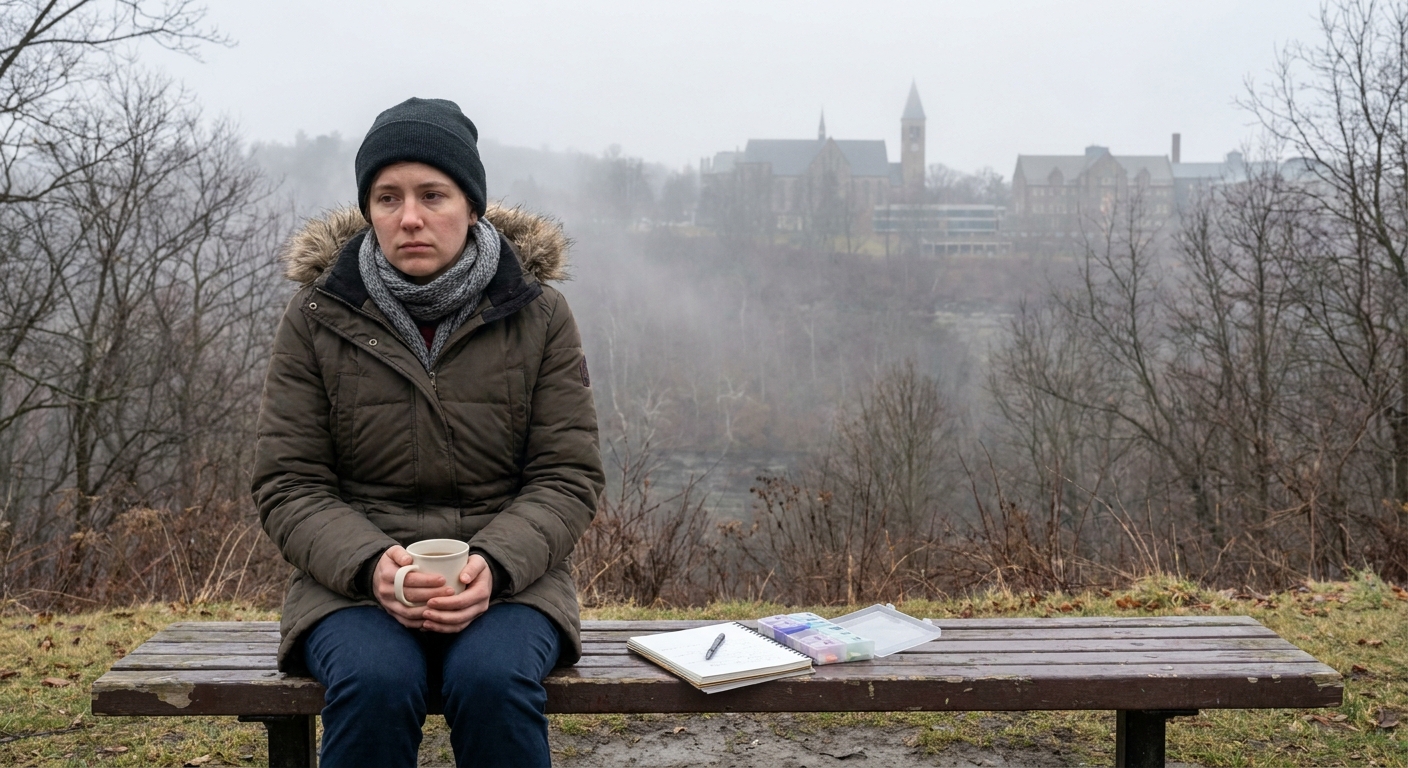
People underestimate how exhausting it is to manage a chronic illness. Appointments. Prescriptions. Insurance calls. Symptom tracking. Dietary restrictions. It's a part-time job you didn't apply for and can't quit. And all of that mental labor drains you before you even get to the physical symptoms. No wonder anxiety and depression are so common. You're carrying a cognitive load that most people never have to think about.
Offloading some of that burden helps. Apps that track medications. Calendars that sync appointments. Friends or family who can handle insurance calls when you're too fried to deal with it. Anything that reduces decision fatigue or administrative stress creates space for your brain to recover. And recovery — mental and physical — is what keeps you functional long-term.
Practical Steps That Make a Real Difference
Theory is nice. Action is better. If you're living with chronic illness in Ithaca and your mental health is taking a hit, here's what to prioritize.
- Schedule regular check-ins with a mental health provider who understands chronic illness dynamics
- Join a local or virtual support group where you can share experiences without judgment
- Create a crisis plan for when symptoms or mental health spiral — know who to call and what steps to take
- Advocate for yourself with doctors, employers, and loved ones — clarity prevents misunderstandings
- Invest in hobbies or activities that bring joy without physical strain — audiobooks, podcasts, art, music
Your Mental Health Deserves the Same Attention as Your Diagnosis
Chronic illness will challenge you. It will test your patience, your relationships, and your sense of identity. But it doesn't have to destroy your mental health in the process. Treatment exists through various therapeutic approaches. Support exists through psychodynamic attachment-based therapy. Community exists. The trick is acknowledging that mental health isn't secondary to physical health — it's part of the same fight. And in Ithaca, where resources are available but not always obvious, taking the initiative to schedule a consultation can be the difference between surviving and actually living well despite the diagnosis.
Let's Take the Next Step Together
Living with chronic illness in Ithaca is tough, but we don't have to navigate the mental health challenges alone. Together, we can find strategies that work for your unique situation and help you reclaim a sense of balance. If you're ready to talk, call us at 607-388-6408 or schedule a consultation—let's start building a plan that supports your mind as much as your body.

Recent Posts
-

-

Why Does Relationship Conflict Keep Repeating Itself?
October 9, 2026
-

Can Mindfulness Help With PMDD Mood Changes?
September 25, 2026
-

Can DBT in Ithaca Help With Strong Emotions?
September 11, 2026
-

Can CBT in Ithaca Help With Negative Thought Patterns?
August 28, 2026