

Mental Health & Psychotherapy Tips & Info
Why Anxiety Feels Worse During College in Ithaca?
Most students think college stress is just about exams and deadlines. Late nights, group projects, maybe some social drama. But there's more at play in Ithaca — and if you're not paying attention, you'll miss the real culprits. The hills, the weather, the pressure cooker academics — they all leave a mark. Especially when you're miles from home and every safety net feels just out of reach.
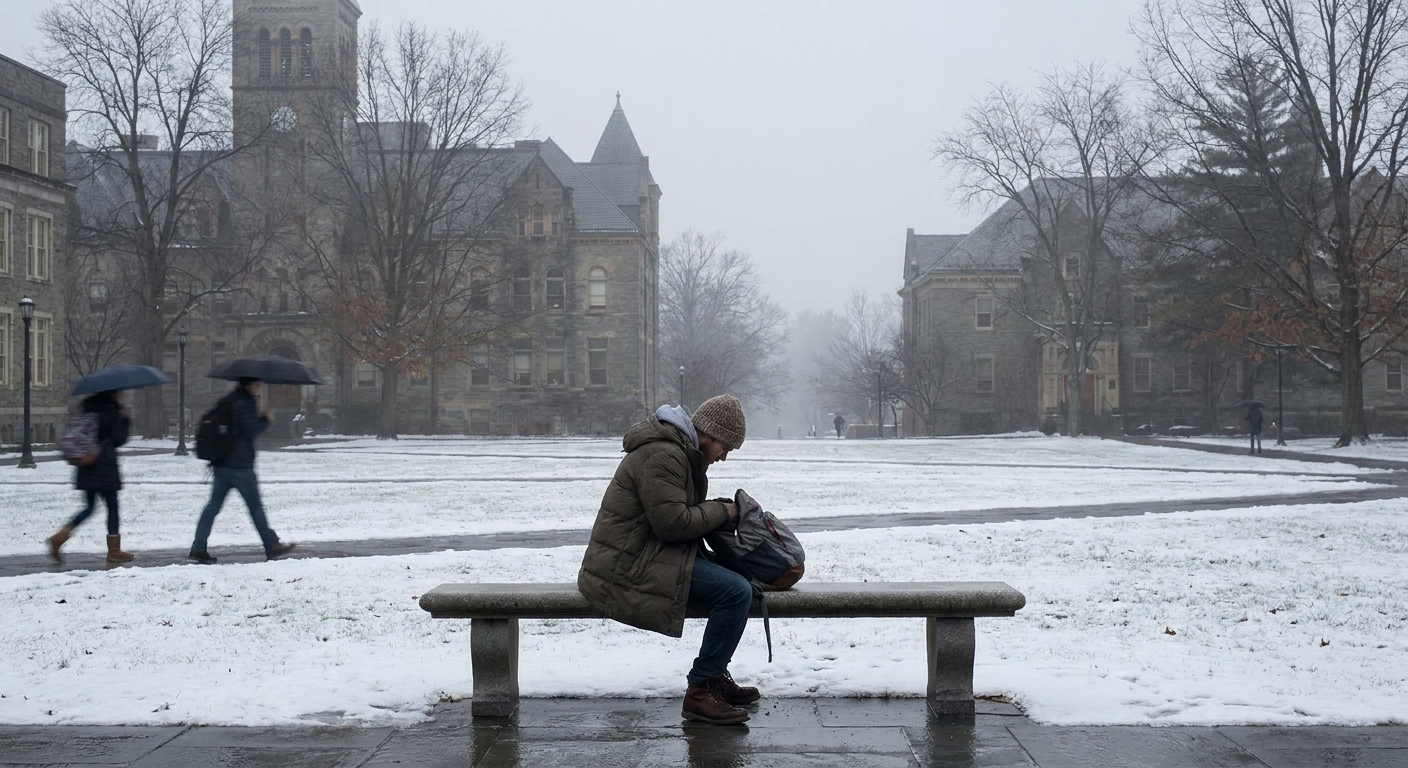
So here's what we're dealing with. If you're pushing through four years in this corner of upstate New York, that's admirable. Just don't pretend the environment isn't working against you. Every gray sky has weight. Every competitive classroom adds friction. And every mental health decision should be grounded in what your body and brain actually need — not just what the campus wellness poster says.
When the Bar Gets Set Too High
Ithaca doesn't mess around academically. Cornell and Ithaca College both carry reputations that precede them, and students feel that weight the second they step on campus. You're not just keeping up with coursework — you're surrounded by people who were valedictorians, scholarship winners, and overachievers in every sense. That comparison becomes noise you can't turn off.
The expectation to perform isn't subtle. It's baked into office hours, study groups, and every conversation about internships or grad school. And when everyone around you seems to have it together, your own struggle starts to feel like failure. That's not just pressure. That's anxiety with a feedback loop.
Gray Skies Don't Just Look Depressing
Ithaca winters are brutal. Not because of the cold alone, but because the sun barely shows up. Overcast skies dominate the calendar from November through March, and that lack of light does real damage. Seasonal patterns aren't just mood dips — they're biochemical shifts that mess with energy, focus, and emotional regulation.
When your brain isn't getting the light it needs, serotonin production tanks. Motivation follows. And if you're already dealing with academic stress or social isolation, those cloudy months become a multiplier. We're not talking about feeling a little bummed. We're talking about a physiological setup that makes anxiety harder to shake.
Distance Hits Different When You're Struggling
Being away from home for the first time sounds like freedom until it's not. For students who come to Ithaca from other states or countries, the distance from family and familiar support systems isn't just geographic. It's emotional, logistical, and sometimes cultural. When anxiety kicks in, you can't just drive home for the weekend or show up at your childhood therapist's office.
You're also juggling responsibilities that used to be handled by someone else. Budgeting, cooking, laundry, scheduling — all while keeping up with a full course load. It's not that these tasks are impossible. It's that they pile up fast, and when you're already on edge, even small failures feel catastrophic.
The Social Maze Never Stops
Finding your people in college is supposed to be this magical experience. In reality, it's awkward, exhausting, and often anxiety-inducing. Ithaca's campuses are big enough that you can feel invisible, but small enough that rumors and social dynamics travel fast. You're constantly navigating who to trust, where you fit, and whether you're doing it right.
Social media makes it worse. Everyone else's highlight reel becomes your measuring stick, and FOMO turns every quiet Friday night into evidence that you're failing socially. For students who already deal with social anxiety or introversion, this pressure doesn't ease up. It compounds.
Money Worries Don't Take Breaks
Tuition, housing, meal plans, textbooks — the bills add up fast. A lot of students in Ithaca are working part-time jobs just to cover basics, and others are watching loan balances climb with every semester. Financial stress isn't abstract. It's checking your bank account before buying groceries. It's skipping events because you can't afford the cover charge.
And it doesn't stop at today's expenses. There's the looming question of whether this degree will actually pay off, whether you'll find a job that justifies the debt, and whether you made the right call in the first place. That kind of uncertainty is a breeding ground for anxiety, and it sits in the background of every decision you make.
When Counseling Centers Can't Keep Up
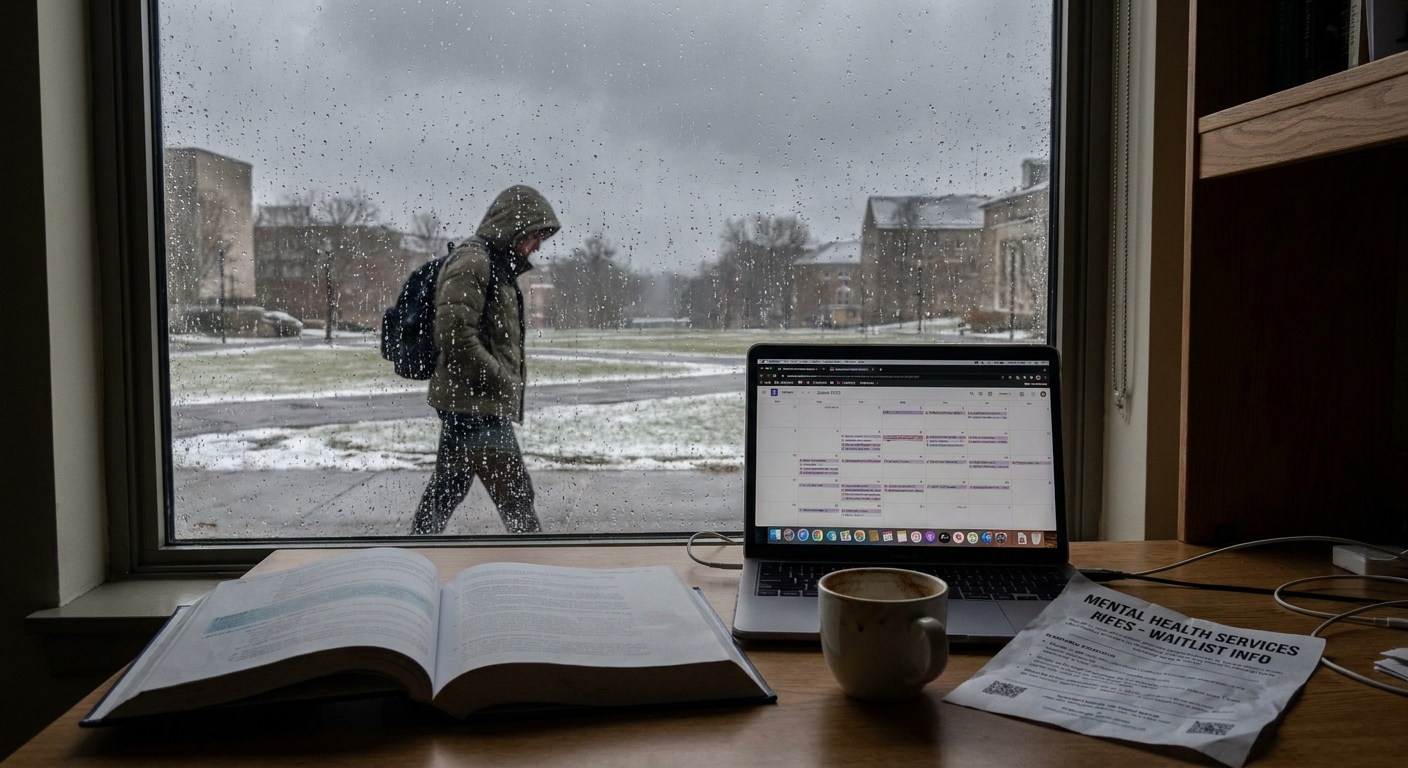
Both major schools in Ithaca offer mental health services, but demand consistently outpaces supply. Wait times for appointments stretch into weeks, and specialized care is even harder to access. If you're in crisis, the system struggles to respond quickly. If you're managing chronic anxiety, getting consistent support feels like a battle in itself.
There's also the stigma factor. A lot of students hesitate to reach out because they don't want to seem weak or incapable. Others worry about how it'll look on their record or whether their parents will find out. That reluctance keeps people from getting help until things get worse, and by then, the resources are even harder to secure.
What Actually Helps When Everything Feels Heavy
Managing anxiety in Ithaca isn't about pretending the stressors don't exist. It's about building strategies that work despite them. Connection matters — whether that's a club, a study group, or just a roommate who gets it. Isolation amplifies anxiety, so even small social touchpoints can make a difference.
Self-care isn't optional. That means sleep, movement, and something resembling nutrition. It also means recognizing when you need professional help and not waiting until you're completely underwater. Campus resources may be limited, but they're still worth using. And if you can access off-campus therapy or telehealth, even better.
Here's what a solid anxiety management plan looks like in practice:
- Weekly check-ins with a counselor, peer support group, or trusted friend
- Consistent sleep schedule, even during exam weeks
- Regular physical activity, whether that's gym sessions or just walking the gorges
- Mindfulness or grounding exercises when spiraling thoughts take over
- Boundaries around social media and comparison triggers
The Traps Most Students Fall Into
Trying to power through without asking for help is one of the fastest ways to burn out. A lot of students treat anxiety like a character flaw instead of a health issue, and that mindset keeps them stuck. You can't discipline your way out of a nervous system that's been running on overdrive for months.
Another mistake? Ignoring the environment. Pretending the weather doesn't affect you, or that academic pressure is just part of the game, doesn't make those factors disappear. Acknowledgment isn't weakness. It's awareness, and it's the first step toward managing what's actually happening.
When to Bring in Outside Support
If your anxiety is interfering with your ability to show up to class, maintain relationships, or take care of basic needs, that's a red flag. You're not being dramatic. You're recognizing that something needs to change. Campus counseling is a start, but it's not the only option.
A professional can help you:
- Identify patterns and triggers that keep anxiety cycling
- Develop coping strategies that actually fit your life
- Determine whether medication or other interventions might help
- Navigate academic accommodations if anxiety is affecting performance
- Build long-term mental health habits that carry beyond graduation
Recognizing the Early Warning Signs
Anxiety doesn't always announce itself clearly. Sometimes it shows up as irritability, difficulty concentrating, or physical symptoms like headaches and stomach issues. Other times it's avoidance — skipping class, canceling plans, or staying in bed longer than usual. These aren't personality quirks. They're signals.
Catching those signals early makes a difference. The longer anxiety goes unaddressed, the deeper the grooves it carves into your daily routine. And the harder it becomes to pull yourself back. If you're noticing patterns that weren't there before, don't wait for them to resolve on their own. They won't.
The Role of Community in Staying Grounded
One of the most underrated tools for managing anxiety is simply having people around who understand what you're going through. That doesn't mean everyone needs to be a mental health expert. It means having a crew that notices when you're off, checks in without judgment, and reminds you that you're not navigating this alone.
Campus organizations, intramural teams, volunteer groups — they all offer built-in structure and connection. And structure is stabilizing when your brain is spinning out. Even low-commitment involvement can create a sense of routine and purpose that counters the isolation anxiety tends to feed on.
Building Habits That Last Beyond Ithaca
College anxiety isn't just a phase you survive and forget. The habits you build now — or don't build — will follow you into whatever comes next. Learning how to manage stress, set boundaries, and ask for help are skills that matter long after you leave campus. And ignoring those lessons now just means relearning them the hard way later.
The goal isn't to eliminate anxiety entirely. That's not realistic. The goal is to develop a toolkit that keeps it from running your life. And to recognize when you need backup. Because the difference between struggling quietly and getting support is often the difference between barely making it through and actually thriving.
Pressure Without a Paper Trail
Dealing with anxiety in Ithaca isn't about toughing it out or waiting for graduation to make it stop. It's about understanding the specific factors that make this place harder — and building a response that accounts for all of them. The weather matters. The academics matter. The isolation and financial stress and overwhelmed counseling centers all matter.
There's no excuse for ignoring the signs when support is available. But there's also no shame in admitting that this environment is legitimately challenging. What separates students who manage anxiety well from those who don't isn't strength or willpower. It's strategy, self-awareness, and the willingness to ask for what they need before things fall apart completely. Many students have found that exploring therapy approaches tailored to their needs can provide the framework they've been missing. Specialized support like women's mental health services address unique challenges that college-age women face, while evidence-based methods such as CBT and DBT skills offer practical tools for daily life. Understanding psychodynamic and attachment-based therapy can help unpack deeper patterns contributing to anxiety, while incorporating creative mindfulness methods provides alternative coping mechanisms. If you're ready to take that step, you can schedule a consultation to discuss what support might look like for your specific situation.
Let's Take the Next Step Together
We know how overwhelming college life in Ithaca can feel, but you don’t have to navigate anxiety alone. Together, we can create a plan that fits your needs and helps you feel more grounded, no matter what campus throws your way. If you’re ready to talk, give us a call at 607-388-6408 or schedule a consultation and let’s start building your support system today.

Recent Posts
-

Can DBT in Ithaca Help With Strong Emotions?
September 11, 2026
-

Can CBT in Ithaca Help With Negative Thought Patterns?
August 28, 2026
-

How Telehealth Therapy Works for Busy Adults
August 4, 2026
-

What to Do When Mood Swings Feel Out of Control?
July 21, 2026
-