

Mental Health & Psychotherapy Tips & Info
How Telehealth Therapy Works for Busy Adults
Most professionals think therapy is about finding time. Blocking off hours, driving across town, sitting in waiting rooms. But the reality is sharper than that — and if you're still stuck in that mindset, you're missing what makes mental health care actually work for people who can't afford to lose half a workday. Telehealth isn't just therapy with a webcam. It's a complete reframe of how support gets delivered, when it happens, and where you can show up for yourself.
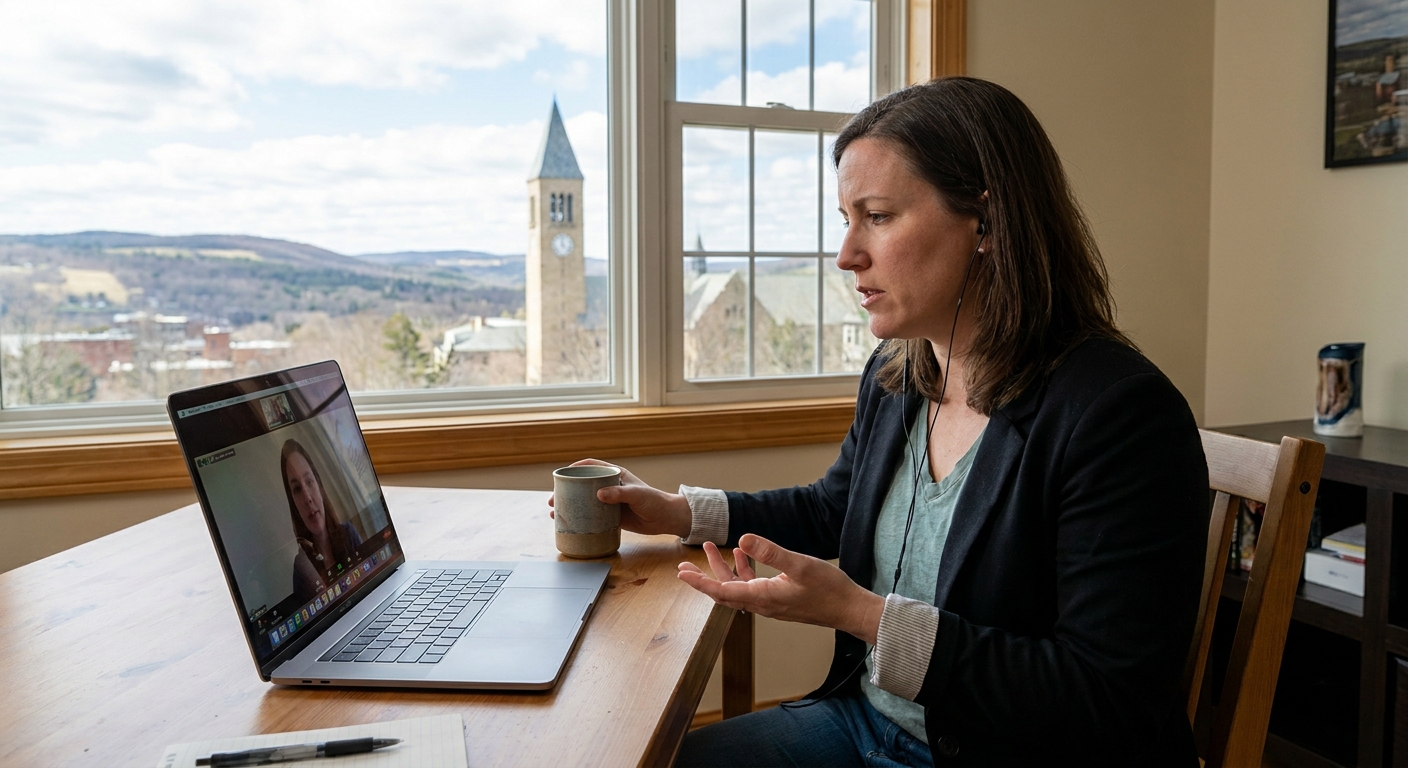
So here's what matters. If you're serious about your mental health but can't sacrifice your calendar to prove it, virtual sessions make sense. Just don't treat them like a workaround or a lesser option. Every session should be intentional. Every conversation needs your full attention. And every decision to log on should be grounded in what you're working toward — not just what fit between meetings.
When a Screen Becomes Your Safe Space
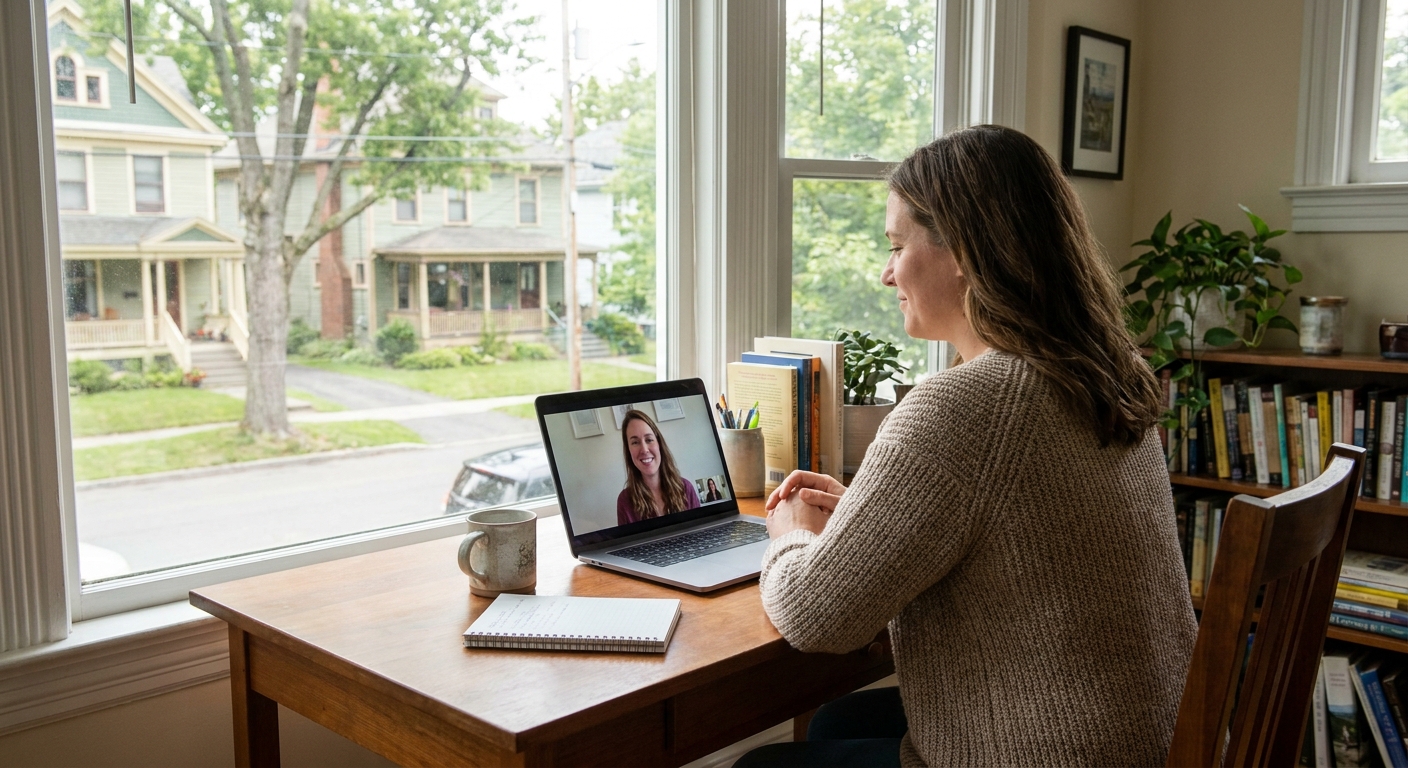
Telehealth therapy happens through secure video platforms, phone calls, or messaging apps designed specifically for clinical use. You connect with a licensed therapist from wherever you are — your living room, a parked car, a quiet office before the day starts. The tools vary, but the framework stays consistent. You schedule a session, you show up digitally, and you talk through what's weighing on you with someone trained to help.
What makes this different from texting a friend or venting in a group chat? Structure. Confidentiality. Clinical expertise. These aren't casual check-ins. They're real sessions with real therapists who follow the same ethical standards they would in a brick-and-mortar office. And because the barriers to access drop — no commute, no waiting room anxiety, no scrambling for childcare — more people actually follow through.
Getting Started Without the Runaround
We've seen too many people put off therapy because the logistics felt overwhelming. Telehealth strips that excuse away. Most platforms let you browse therapist profiles, filter by specialty or availability, and book a slot without ever picking up the phone. You're not waiting weeks for a callback. You're clicking through options and choosing someone who matches what you need.
Once you've picked a provider, the onboarding is straightforward. You'll get a secure link or app instructions. You'll answer a few intake questions — nothing invasive, just enough to give your therapist context. Then you're in. First session booked. No paperwork maze. No insurance runaround unless you're filing a claim, and even then, many platforms handle that on the back end.
What Happens During a Session
Sessions run just like in-person appointments, usually 45 to 60 minutes. You and your therapist discuss what's going on, set goals, work through patterns or challenges, and figure out next steps. The format doesn't change the depth. You're not getting a watered-down version of care just because you're on a screen.
Here's what that looks like in practice:
- You log in at your scheduled time from a private space
- Your therapist greets you and picks up where you left off or tackles what's pressing now
- You work through exercises, talk therapy techniques, or actionable strategies depending on your needs
- Sessions end with clarity on homework, coping tools, or what to focus on before the next appointment
- You disconnect and get back to your day without losing an extra hour to transit
Why Busy Adults Actually Stick With It
The dropout rate for traditional therapy is high. People miss appointments because life gets chaotic. They cancel because traffic was bad or a meeting ran long. Telehealth removes most of those friction points. You're not battling your commute or your calendar. You're showing up from wherever makes sense that day.
That consistency matters more than most people realize. Therapy works best when it's regular. When you can build momentum week over week without the gaps that come from rescheduling hell. Virtual access makes that possible for people who would otherwise ghost their therapist after three sessions.
The Flexibility Factor
Telehealth opens up appointment windows that don't exist in traditional offices. Early morning slots before the kids wake up. Lunch breaks that don't require leaving your desk. Evening sessions after the workday ends. Even weekend availability if your therapist offers it. That range is what turns therapy from "something I wish I had time for" into something you actually do.
How to Know If It's Really Working
Skeptics worry that virtual sessions lack the connection or effectiveness of face-to-face care. The research doesn't support that. Study after study shows telehealth delivers comparable outcomes for anxiety, depression, stress management, and relationship struggles. Therapists use the same evidence-based methods through various therapeutic approaches. Clients report the same levels of satisfaction. The medium shifts, but the results hold.
What matters more than the format is the fit. You need a therapist you trust, a platform that feels secure, and a setup that lets you be honest without distraction. If those pieces are in place, the screen doesn't get in the way. It just becomes part of the process.
Making Sure Your Sessions Count
Want to get the most out of virtual therapy? Treat it like the real thing — because it is. That means showing up prepared, engaged, and ready to do the work.
- Find a private spot where you won't be interrupted or overheard
- Test your connection and audio before your first session so tech issues don't derail you
- Close other tabs, silence your phone, and give your therapist your full focus
- Be upfront about what's working and what isn't so adjustments can happen in real time
- Follow through on the strategies or exercises your therapist assigns between sessions
When Virtual Isn't the Right Fit
Telehealth works for most people, but not all situations. If you're in crisis, actively suicidal, or dealing with severe psychiatric symptoms that require in-person monitoring, virtual care may not be enough. Some therapists specialize in higher-acuity cases and can guide you toward the right level of support. Others will refer you out if your needs exceed what remote sessions can safely provide.
That's not a limitation of telehealth. It's just clinical reality. The right tool for the right situation. And in most cases, for adults juggling demanding schedules and moderate mental health challenges, virtual therapy hits the mark.
What You'll Need to Get Started
- A smartphone, tablet, or computer with a working camera and microphone
- Reliable internet access with enough bandwidth for video calls
- A quiet, private space where you can talk openly
- Insurance information if you're filing claims, or a payment method if you're paying out of pocket
- A willingness to show up consistently and do the work between sessions
Common Mistakes That Derail Progress
Even with the best intentions, people slip up. They treat virtual sessions like optional check-ins instead of real appointments. They skip homework. They log in from noisy coffee shops or cars with terrible reception. And then they wonder why therapy isn't moving the needle.
We've also seen people bounce between therapists without giving anyone enough time to build rapport. Or they overshare in intake forms and undershare in actual sessions. Or they assume their therapist can read their mind across a screen. None of that works. Telehealth is convenient, but it's not magic. You still have to engage.
How to Pick the Right Provider
Not every therapist offers telehealth, and not every telehealth therapist is the right match for you. Start by clarifying what you need. Are you dealing with anxiety? Depression? Relationship strain? Work burnout? Different therapists bring different expertise, particularly in specialized areas like women's mental health or couples therapy and conflict resolution.
From there, consider logistics:
- Are they licensed in your state?
- Do they accept your insurance or offer sliding scale fees?
- What's their availability look like?
- Do they use a platform that feels secure and easy to navigate?
- What's their approach — CBT and DBT skills, psychodynamic attachment-based therapy, solution-focused, something else?
The Bottom Line on Virtual Mental Health Care
Committing to therapy isn't the hard part anymore. Showing up without wrecking your schedule — that's where telehealth changes the game. There's no excuse for putting it off when the access is this straightforward. But there's also no shortcut when it comes to doing the actual work. The platform gets you in the door. What you do once you're there is what determines whether it sticks.
Mental health care used to mean choosing between your well-being and your calendar. Now it means finding a provider who gets it, logging on from wherever you are, and building the habits that keep you moving forward. That's not a compromise. That's progress with a paper trail. If you're ready to take the next step, schedule a consultation to explore which treatment approach fits your needs best.
Let's Make Your Mental Health a Priority
We know how hard it is to carve out time for yourself when life is nonstop. That's why we're here to help you fit therapy into your real schedule, not the other way around. If you're ready to see how telehealth can work for you, let's talk about your goals and what support could look like. Call us at 607-388-6408 or Schedule A Consultation and let's take the next step together.

Recent Posts
-

Can DBT in Ithaca Help With Strong Emotions?
September 11, 2026
-

Can CBT in Ithaca Help With Negative Thought Patterns?
August 28, 2026
-
How Telehealth Therapy Works for Busy Adults
August 4, 2026
-

What to Do When Mood Swings Feel Out of Control?
July 21, 2026
-